exhibits & presentations
Caribbean Reef Encounter
Surround yourself with the vibrant life of a reef ecosystem.
exhibits & presentations
Caribbean Reef Encounter
Surround yourself with the vibrant life of a reef ecosystem.
presentation Schedule
11:30AM – 11:40AM & 3PM – 3:10PM
Caribbean Reef Encounter
at a glance
Step into the middle of a massive, 80,000-gallon circular tank offering a 360-degree view of a reef ecosystem. Watch as hundreds of fish representing dozens of different local species swim amidst the live rock and sponges that form a reef.
daily Happenings
Learn about the diverse species living in our surrounding waters. Discover how we meet the nutritional needs of this complex ecosystem and how you can help protect wild reefs.
Ecosystem
Caribbean Coral Reefs
Viewing and presentations included with General Admission ticket. Book an immersive encounter for an additional fee.
A Forest Under the Sea
Coral reefs cover less than 1% of the ocean floor but support nearly 25% of all marine life. This exhibit highlights the complex relationships that exist on reefs:
To protect wild ocean habitats, Coral World no longer collects additional live corals from the sea. Instead, the underwater structure of this exhibit is built using “live rock”—ancient calcium-carbonate coral skeletons that have been naturally recolonized by beneficial marine bacteria, micro-algae, and tiny invertebrates. Live rock provides the essential biological foundation and natural filtration that allows our reef ecosystem to thrive.
Corals get their brilliant colors and much of their food from microscopic algae (zooxanthellae) living inside their tissues.
Parrotfish and tangs act as the reef’s “gardeners,” constantly eating algae that would otherwise overgrow and smother the coral.
• Parrotfish, Tangs, Angelfish, Damselfish, Hamlet Fish, Snappers, Permits, and Grunts.
• Live Caribbean rock (the foundation of coral reefs).
• Mysis Shrimp.
Fun Fact! Coral reefs help feed an estimated 500 million people worldwide.
Respecting Our Ocean Neighbors
To protect wild ocean habitats, Coral World no longer collects live corals from the sea. Instead, the underwater structure of this exhibit is built using ‘live rock’—ancient calcium-carbonate coral skeletons that have been naturally recolonized by beneficial marine bacteria, micro-algae, and tiny invertebrates. Live rock provides the essential biological foundation and natural filtration that allows our reef ecosystem to thrive.
This exhibit is open to the elements, which means the hundreds of reef animals that live here receive natural light and experience rain just as they would in a natural reef. This is important in creating an environment where the animals can thrive.
Coral reefs are facing unprecedented threats from climate change, ocean acidification, and pollution. By showcasing the beauty and complexity of a healthy reef, we highlight what is at stake. Through hands-on education, immersive experiences, and our partnership with the Coral World Ocean and Reef Initiative (CWORI), we foster deep respect and appreciation for marine life.
experiences
Take a Deeper Dive
From dolphins to sea lions to underwater dives there is a lot to do and experience.
Ages 8+
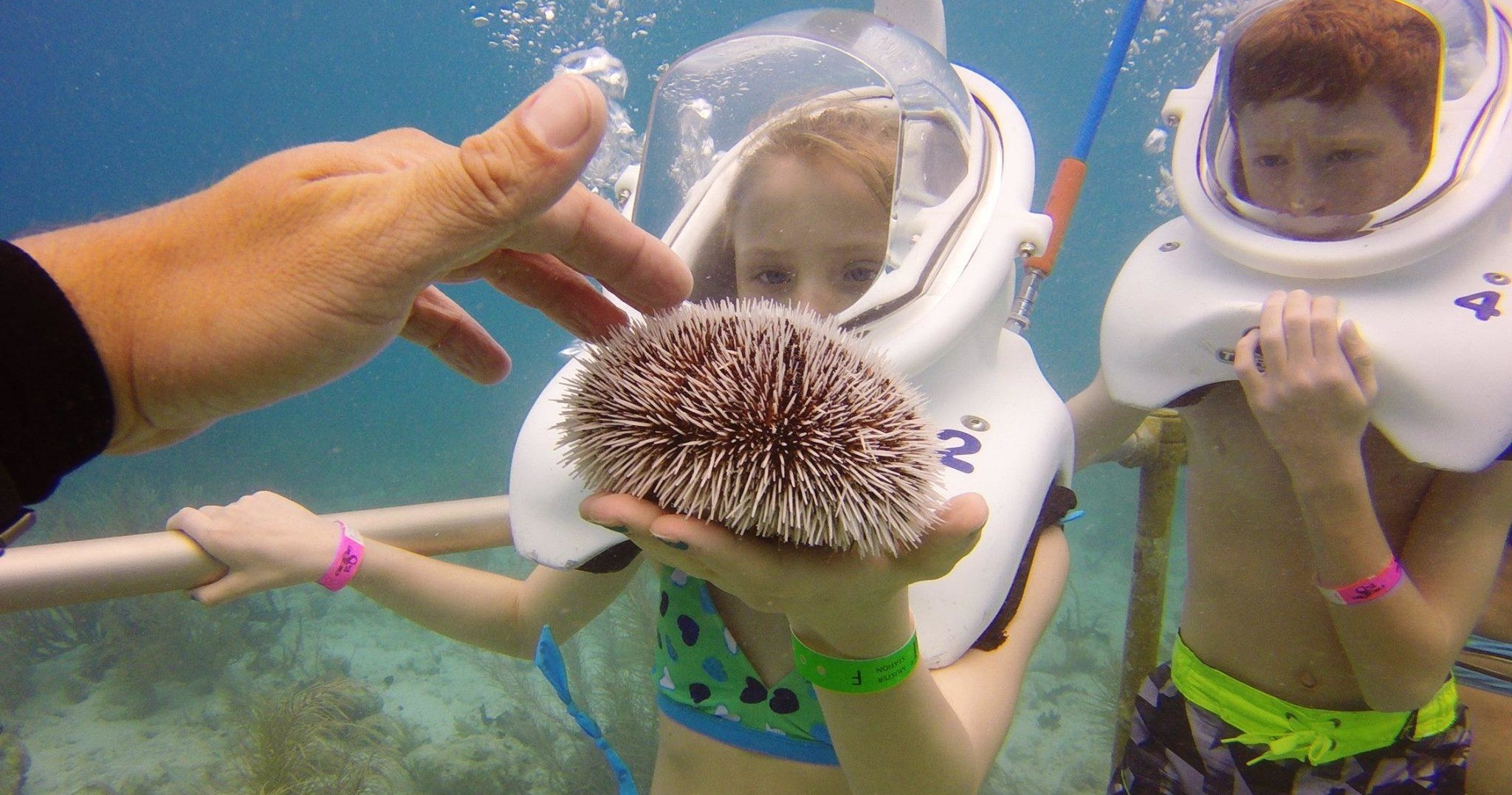
Sea Trek
Walk the ocean floor with a guided tour, explore coral reefs, and see marine life.
Learn More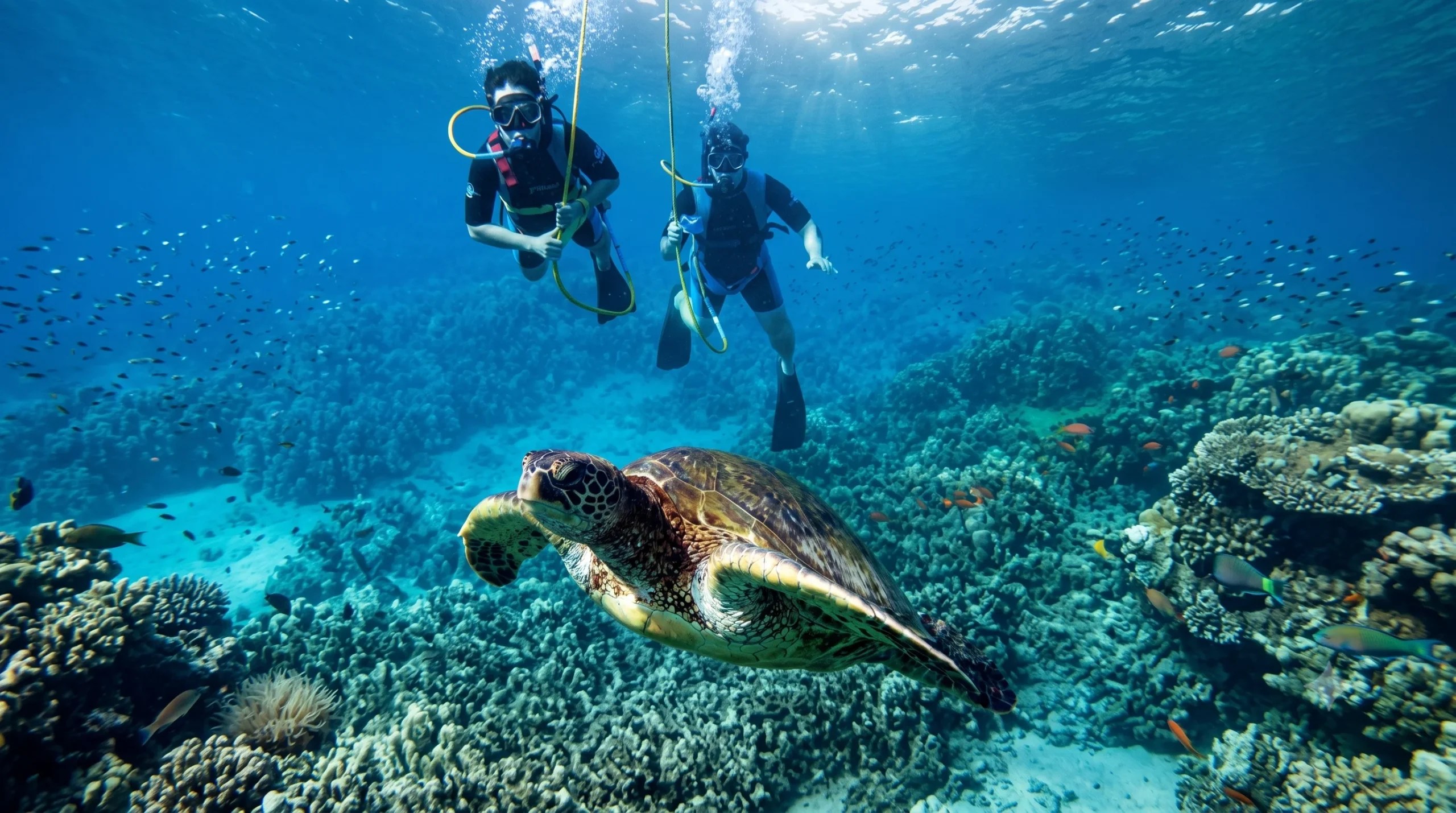
Ages 8+
SNUBA Diving
A mix between scuba and snorkel diving. Swim among tropical fish and coral reefs.
Learn More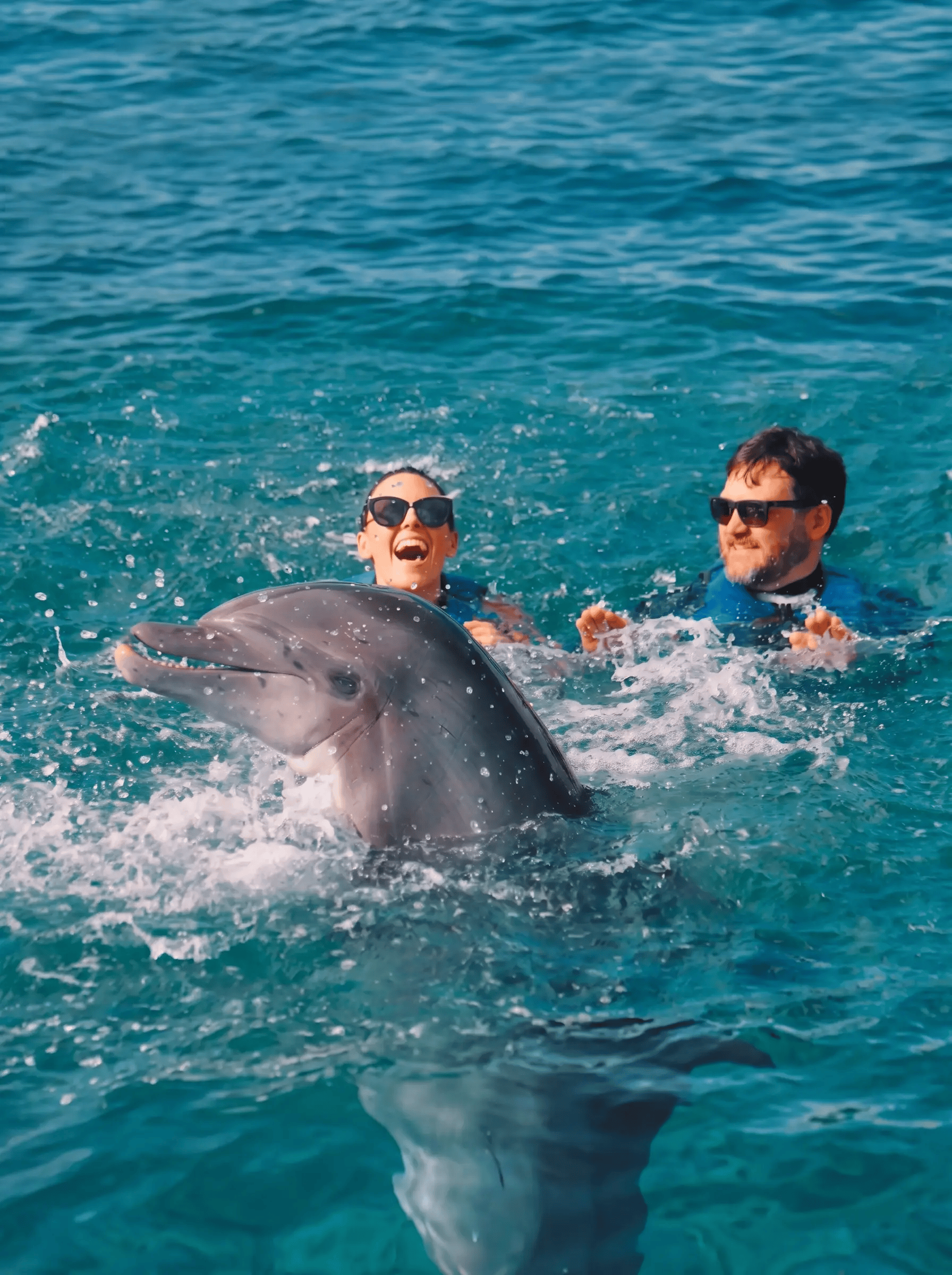
Ages 7+
Dolphin Splash & Swim
Enjoy an unforgettable experience and learn about these playful marine animals.
Learn More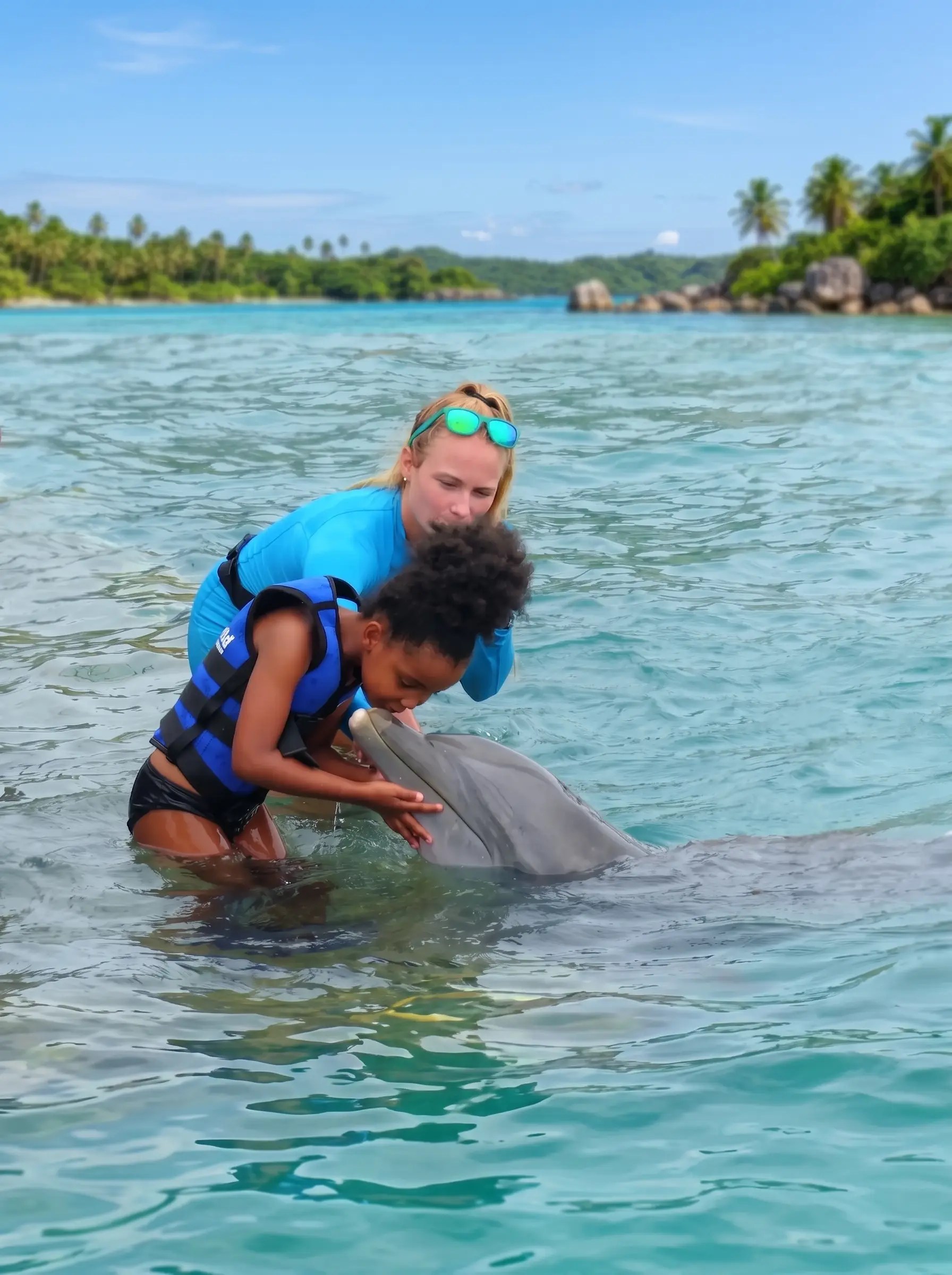
All Ages
Dolphin Encounter
A short, 10-minute meet-and-greet with dolphins in their sea sanctuary.
Learn More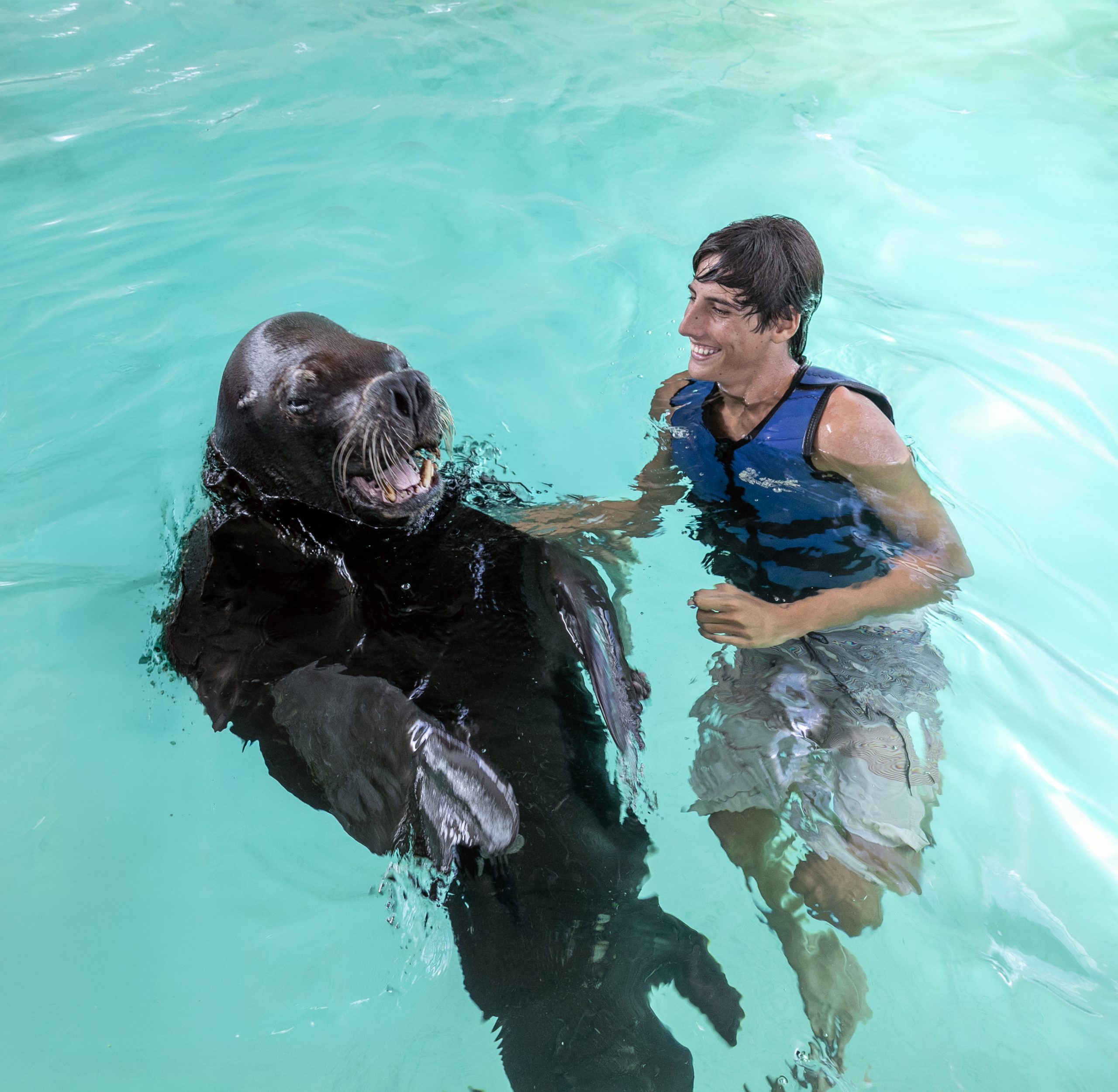
Ages 7+
Sea Lion Splash & Swim
Enjoy a unique, up-close interaction with these marine animals.
Learn More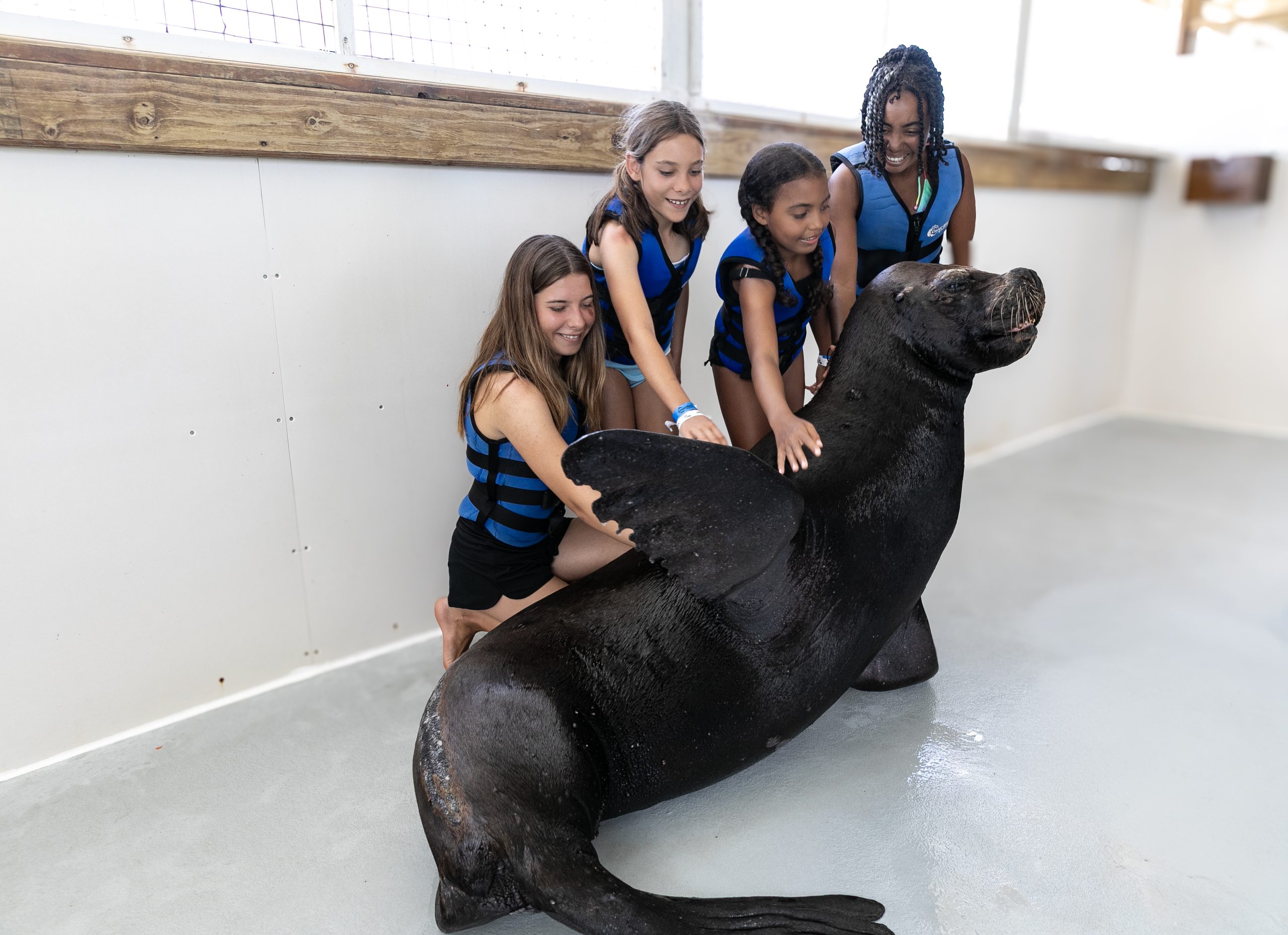
All Ages
Sea Lion Encounter
Meet, feed and play with our friendly South American sea lions.
Learn More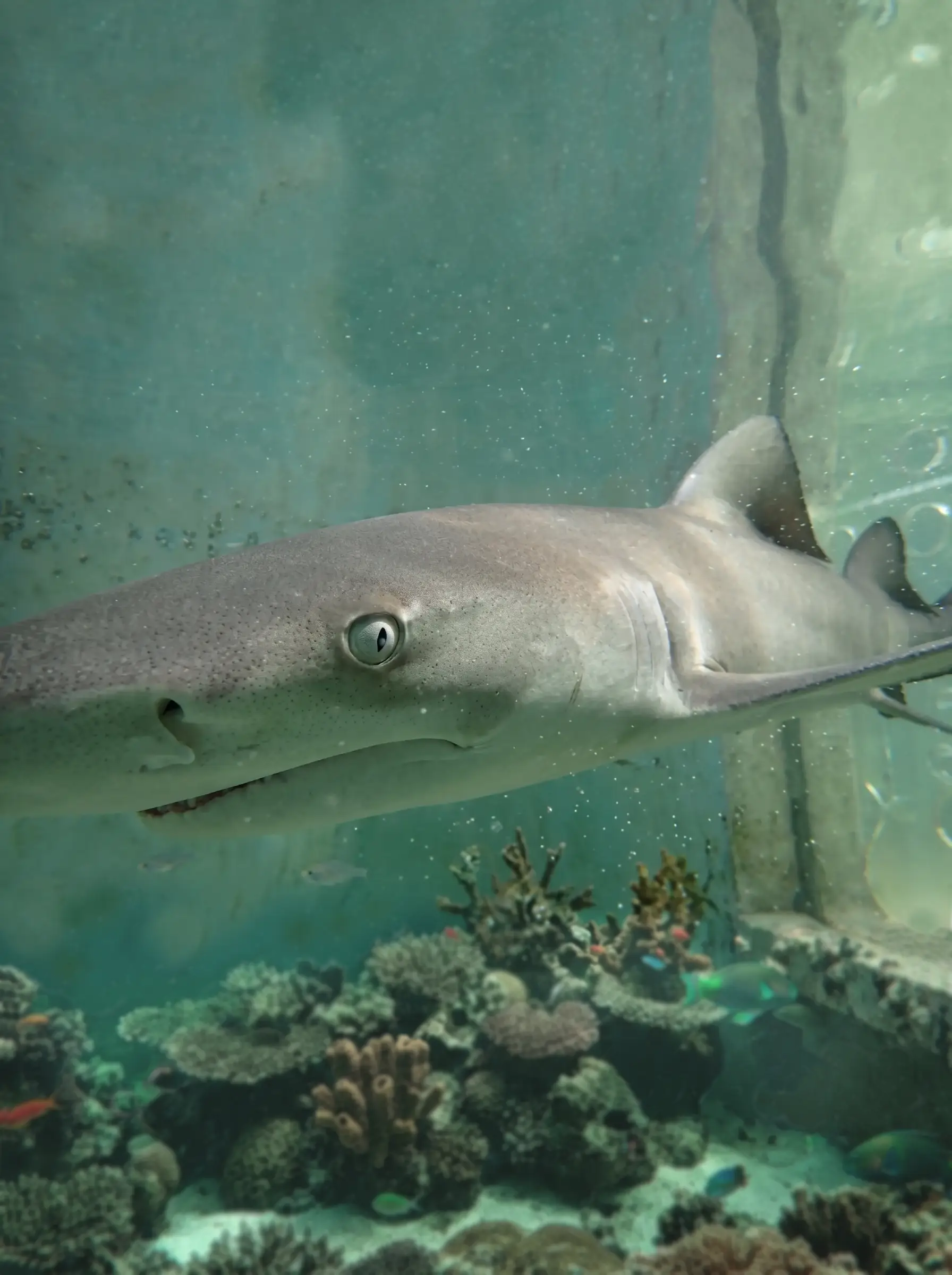
All Ages
Shark Encounter
Snorkel with juvenile sharks, and see these incredible predators up close.
Learn More